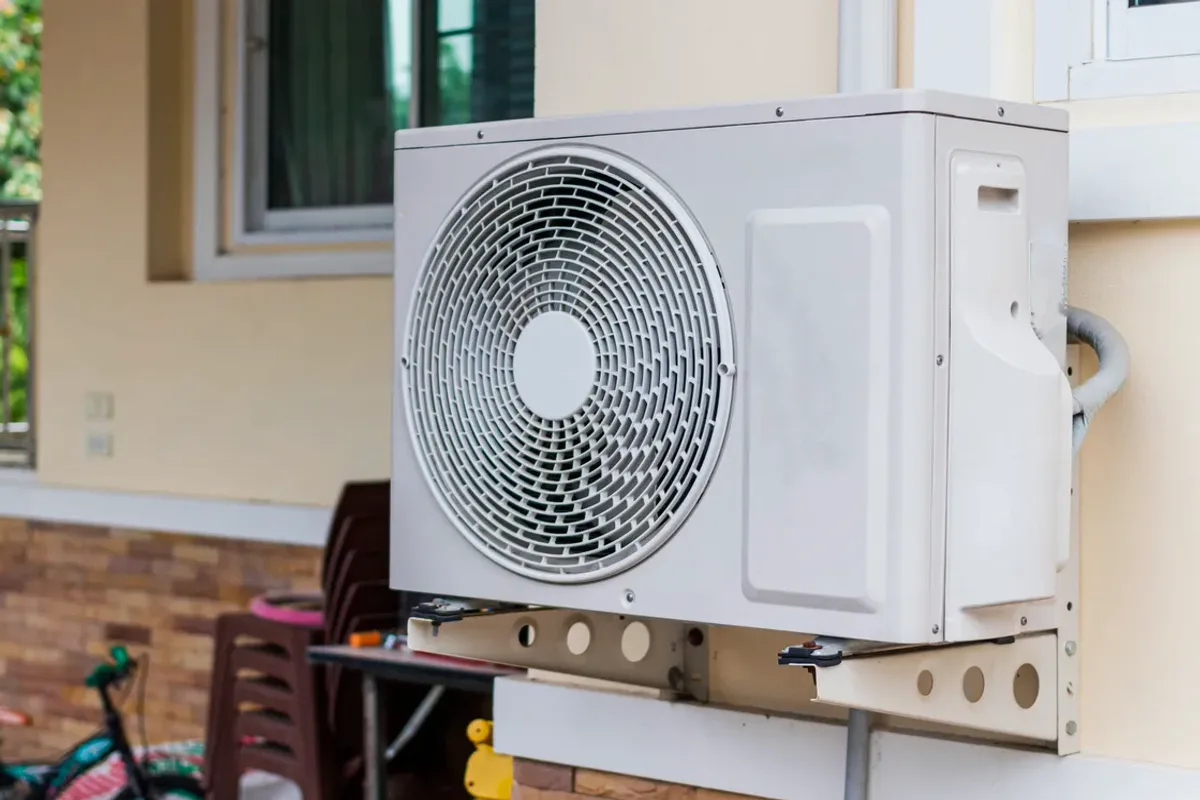
Request heat pump repair & installation for a property in Port Elgin. Include the equipment, the problem or planned work, and your location so the request can be reviewed.
What information is needed to compare repairing a heat pump with installing one for a property now heated by oil?
Heat-pump service may mean diagnosing an existing unit or evaluating a new installation, including a possible change from oil-fired heat. Those are different decisions: repair depends on the confirmed fault, while installation depends on the building's heating load, the equipment's cold-weather capability, and how heat is distributed. If an oil furnace is being considered for removal, its role and any connected equipment must be identified. Service records, fuel use history, and the property's heating requirements help define the scope.
For repair, document the heat pump model, fault codes, operating pattern, and previous repairs so the actual failure can be assessed. For installation, establish the property's heating load, existing distribution system, and the model's documented operation in the conditions expected at the site. If replacing oil equipment, confirm what equipment is to remain or be removed. These findings distinguish a repair from a conversion assessment.
Heat-pump fault diagnosis and repair history
Oil-heating conversion and equipment removal scope
Heating-load and cold-weather model assessment
Assessment and Scope
Questions for the Proposed Work
01
Assess an oil-to-heat-pump conversion
A conversion assessment starts by identifying the existing oil furnace, how heat reaches each area, and which parts of the current system may remain. Removal of existing equipment is a separate scope that should be explicitly described if it is proposed. The property's heating requirements and electrical needs also affect the plan. Fuel history can inform comparisons, but it does not establish a particular level of cost or suitability.
02
Check heating load and cold-weather capability
Equipment selection should reflect the property's calculated heating needs and the manufacturer's documented operating range, rather than a general claim about cold-weather performance. The assessment should consider the existing distribution system and the areas it serves. If the heat pump is intended to cover the full heating load, that purpose needs to be clear in the design comparison. A system intended mainly for milder conditions has a different scope.
03
Separate a repair from a replacement decision
For an existing heat pump, the confirmed fault, system condition, parts availability, and repair history inform whether a targeted repair remains appropriate. A major fault or recurring problems may prompt comparison with replacement, but age alone does not determine the result. For a proposed installation, assess the load, electrical requirements, and compatibility with equipment that will remain. Repair diagnosis and conversion design should be documented as separate decisions.
Compare the next step
Identify who approves changes to existing heating, power, distribution, and controls. Ask how the proposal addresses occupants affected by the work and any retained equipment warranty. A conversion decision should be supported by the complete design and authorized scope rather than approval for an isolated outdoor-unit replacement.
Cold-climate capability does not prove that one model covers every home heating load. Ask how the selected equipment and supplementary heat meet the actual design requirements.