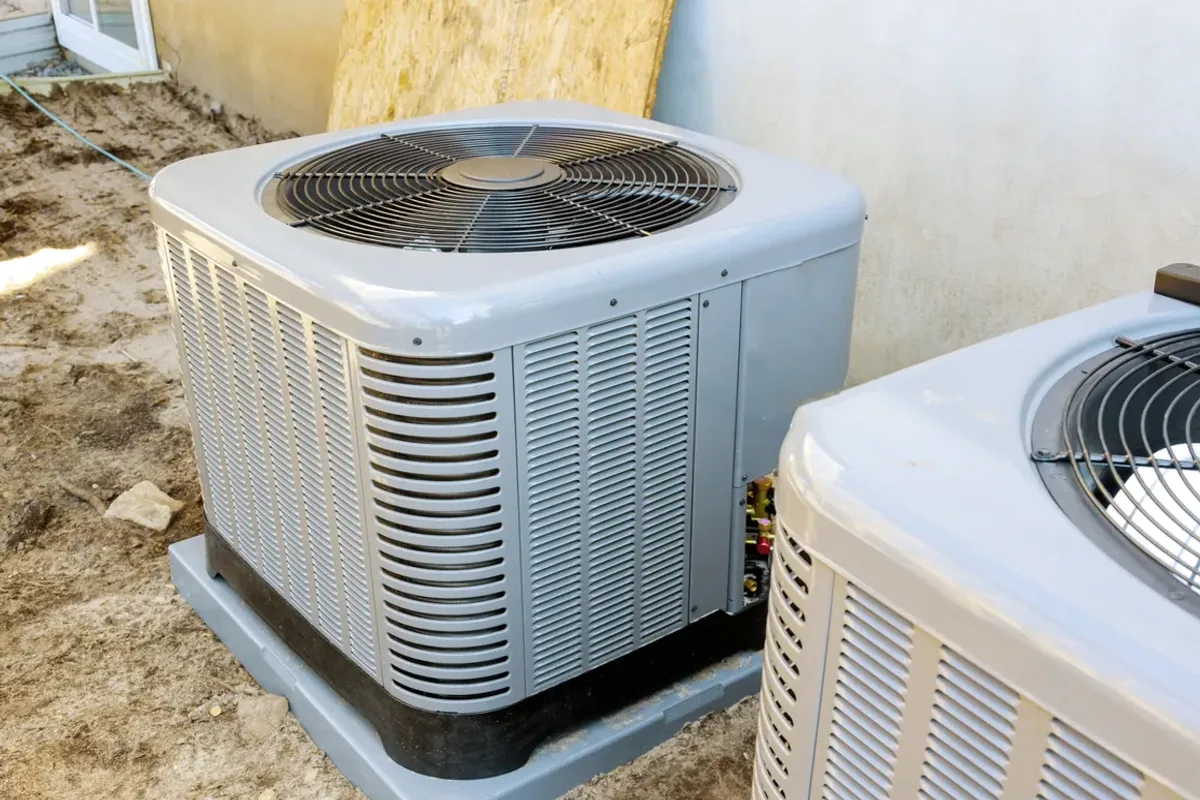
What observations help determine whether an AC fault is a small electrical issue or a larger system problem?
An air conditioner that runs without cooling, starts and stops unusually, or leaves a room humid needs a fault assessment before a repair is chosen. Central air conditioners, heat pumps, and mini-splits have different components and control arrangements, so the equipment type affects the diagnostic steps. A failed capacitor or contactor is not the same scope as a refrigerant-system or compressor problem. Note the symptoms, operating pattern, and any recent service or error information for the assessment.
The assessment should confirm the equipment type and compare the reported symptoms with its controls, electrical components, and refrigerant-system findings. If cooling has weakened gradually or stopped suddenly, that difference can guide the investigation. For a heat pump or mini-split, operating mode and any displayed code are relevant. The confirmed fault, equipment condition, and repair history inform a repair-versus-replacement comparison.
Central AC, heat-pump, and mini-split diagnosis
Capacitor, contactor, refrigerant, and compressor faults
Repair or replacement assessment
Assessment and Scope
Questions for the Proposed Work
01
Identify the equipment and symptom pattern
A central air conditioner, a heat pump, and a ductless mini-split do not have identical controls or component layouts. Record whether the unit starts, whether air delivery changes, and whether the symptom is constant or intermittent. For a room that remains humid, note whether the equipment runs continuously or cycles off quickly. These observations help focus diagnosis without assuming that humidity alone proves an equipment fault.
02
Distinguish electrical and refrigerant faults
A failed capacitor or contactor may interrupt operation, while a refrigerant-system fault or compressor problem involves a different scope of testing and repair. The assessment should rely on equipment findings rather than a symptom-based guess. Refrigerant and internal electrical work require qualified service, not homeowner troubleshooting. Identifying which system is affected also matters when the air conditioner is part of a heat pump.
03
Decide whether repair remains appropriate
A confirmed, limited component fault may support repairing the existing unit, while a compressor or broader system problem calls for a closer comparison with replacement. Consider the unit's condition, repair history, compatibility with the rest of the system, and the scope of the diagnosed work. A replacement decision should follow evidence about the equipment, not a general rule based only on age or a single cooling complaint.
Compare the next step
Agree on who can provide indoor and outdoor access, answer questions about the symptoms, and accept a repair scope. Ask that diagnosis and any additional work be communicated to the authorized decision-maker. Keep the equipment record and previous invoices available rather than relying entirely on an occupant description.
Do not open electrical panels or handle refrigerant. If ice, water near electrical equipment, or abnormal operation is present, stop using the affected system and request an assessment.